in enterprise-level it procurement, clarifying "what hardware indicators enterprises need to pay attention to when choosing japanese server manufacturers" is a critical first step. this article focuses on core hardware parameters and engineering implementation points to help purchasers make choices that are consistent with business and budget based on performance, reliability and operability.

cpu is the basis of server performance, focusing on the number of cores, number of threads, main frequency and performance per core (ipc). it also depends on the supported instruction set, cache size and multi-channel expansion capabilities. for virtualization, big data or single-threaded applications, the computing needs of actual loads should be measured and prioritized, rather than blindly pursuing the highest frequency.
multi-core is suitable for parallel tasks or virtualized environments, and single-core high frequency is more friendly to delay-sensitive applications. when evaluating, we combine application benchmark tests with performance data provided by manufacturers, paying attention to thermal design power consumption (tdp) and frequency reduction strategies under high loads to ensure continued and stable operation.
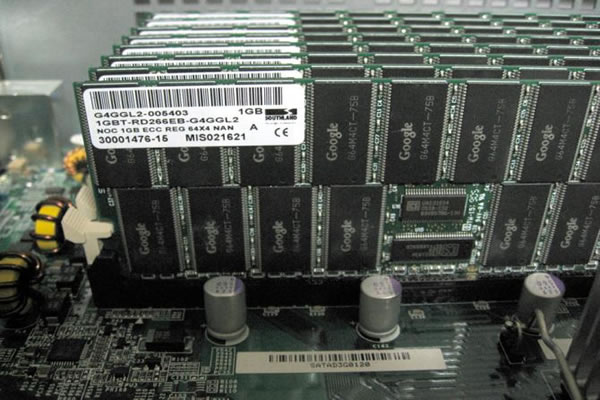
in terms of memory, focus on capacity, channel number, frequency and whether it supports ecc and persistent memory. storage requires clear media type (nvme/sata/sas), iops and latency indicators, as well as expansion slots and hot-swappable capabilities. a reasonable combination of memory and storage can avoid becoming a performance bottleneck.
enterprise environments should pay attention to the performance and resilience of hardware raid controllers or software raid solutions, and evaluate caching strategies, persistent write protection, and failure recovery times. ensure that the storage controller supports manufacturer firmware upgrades and monitoring and alarm integration to facilitate daily operation and maintenance.
networking is key to data center throughput. pay attention to network card bandwidth (1/10/25/40/100gbe), port density, latency and cpu offloading (rdma, sr-iov) capabilities. evaluate pcie slot count and generation, as well as i/o topology's support for future expansion and high-availability architecture.
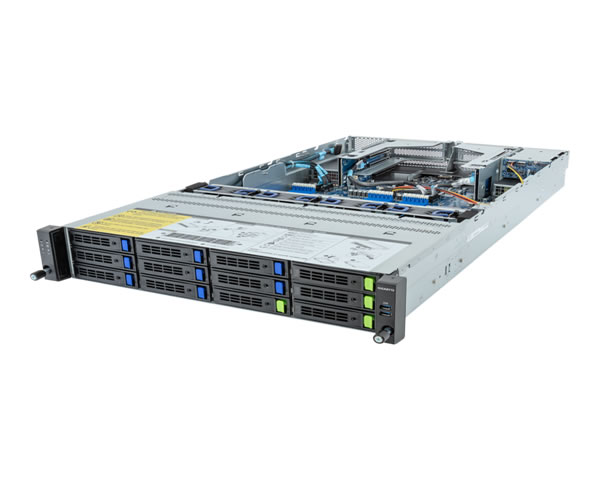
enterprise-class servers should have power supply redundancy, fan redundancy and hot-swappable designs, paying attention to mtbf, failure rate and supported redundancy levels. check the hardware diagnosis, fault prediction (such as smart and sensor logs) and on-site service commitments provided by the manufacturer to reduce operation and maintenance risks.
remote management (bmc/ilo/drac similar functions) and firmware manageability are a must. check whether out-of-band management, secure boot, tpm and log auditing functions are supported. the manufacturer's support and documentation for data protection compliance (such as japanese and global regulations) should also be confirmed.
evaluate the energy efficiency, power efficiency (80 plus level reference) and heat dissipation design of the entire machine, especially in high-density rack or edge computing scenarios. also consider chassis size, vibration tolerance, operating capabilities at altitude and ambient conditions to match the constraints of your own computer room or hosting environment.
when choosing a japanese server manufacturer, systematically evaluate hardware indicators such as cpu, memory and storage, network i/o, redundancy reliability and management security, and weigh them based on business load and operation and maintenance capabilities. it is recommended to finalize through benchmark testing, on-site verification and clear sla terms, and maintain technical communication with the manufacturer for long-term support and firmware updates.
- Latest articles
- Why Do E-commerce And Video Platforms Need Japanese Native IP Websites To Ensure A Good Experience?
- Survival Strategies And Differentiated Service Explorations For Small And Medium-sized Vendors In The U.S. Server Hosting Industry
- How To Quickly Raise The Entry-level Salary Tier Of Hong Kong IDC Data Centers Through Certificates And Project Experience
- A Practical Guide To Comparing Malaysian Cloud Server Price Lists For Different Models And Bandwidth Options
- Where To Buy Taiwan Native IPs With Legal And Compliant Buying Guides
- Which Cloud Server In Vietnam Is A Good Case, Sharing Best Practices And Implementation Experiences Across Different Industries
- Gaming Industry Special Edition: Thailand Acceleration Server Rankings And Player Experience Report
- IP Reputation And Blacklist Risk Management When Choosing Hong Kong Multi-IP Server Hosting
- How Cross-border Developers Can Choose A German VPS Hosting Solution That Is Compliant And Supports GDPR
- In-depth Analysis Of The Pros And Cons Of Hong Kong Server CN2 And A Guide For Small And Medium-sized Enterprises To Buy
- Popular tags
-
Recommended Best Choice For Monthly Payment Of Japanese Native Ip
explore the best option of paying monthly japanese native ip to help you achieve smooth network connection and data transmission in the japanese market. -
Ranking List Of The Top 10 Japanese Server Brands In 2026, Cost Performance And Reputation Review
the ranking list of the top 10 japanese server brands in 2026 provides an overview and purchase suggestions based on cost performance and reputation to help developers and enterprises choose suitable hosts or cloud service providers in the japanese market. -

Several Important Factors To Consider When Choosing Japan Cn2 Vps
this article will discuss several important factors to consider when choosing japan cn2 vps to help users make informed decisions.